

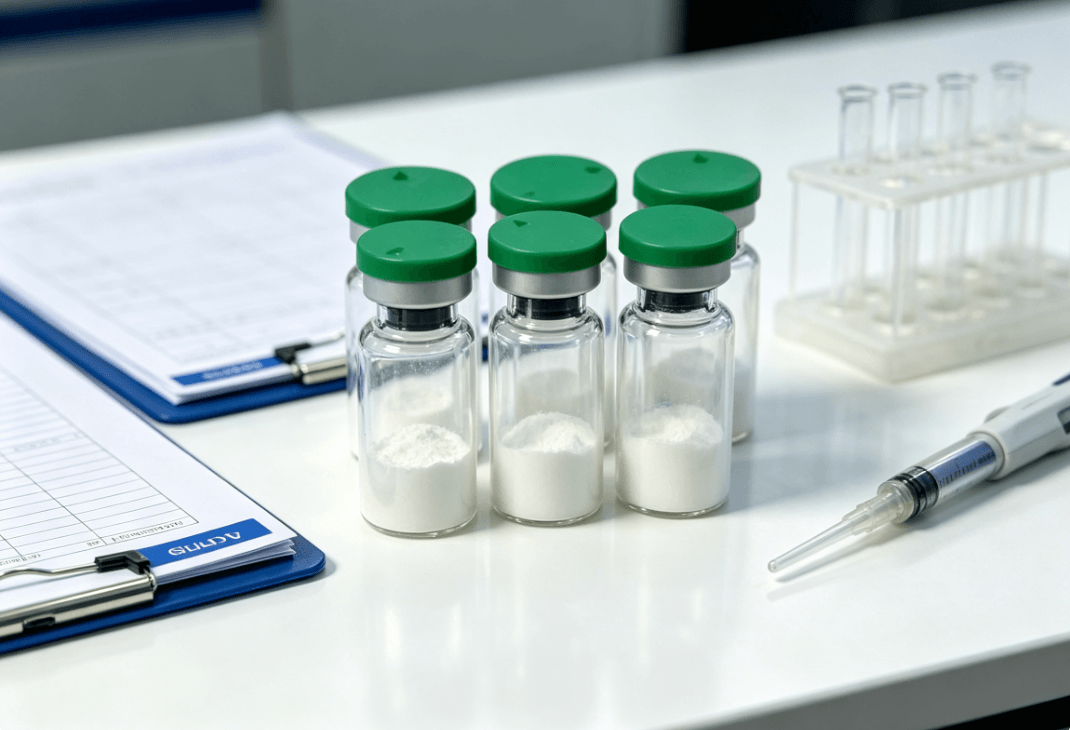
Human Growth Hormone (HGH) is one of the most studied signaling proteins in modern biotechnology. Within laboratory and clinical research, the term HGH 191AA refers to the exact molecular structure of the hormone as it is produced naturally by the human pituitary gland. Often labeled as Somatropin in its recombinant form, this peptide plays a fundamental role in cellular regeneration, metabolic regulation, and physiological homeostasis.
Understanding the distinction of the “191AA” designation is critical for researchers and biochemical professionals. It signifies a bio-identical amino acid sequence that ensures high affinity with human growth hormone receptors, distinguishing it from older, less efficient synthetic variants.
The Molecular Architecture: Why 191 Amino Acids Matter
HGH 191AA is a single-chain polypeptide. As the name suggests, it consists of 191 amino acids linked in a specific sequence, stabilized by two internal disulfide bridges. This precise folding is what determines the hormone’s tertiary structure, allowing it to “lock” into growth hormone receptors (GHR) across various tissues.
In the early days of biosynthetic development, some manufacturers produced a 192-amino acid version (Methionyl-HGH). This version added an extra methionine amino acid to the sequence to simplify the manufacturing process. However, research quickly demonstrated that the 192AA variant often triggered an immune response in subjects, as the body recognized the extra amino acid as a foreign protein.
Today, HGH 191AA (Somatropin) is the global laboratory standard because it is immunologically indistinguishable from endogenous growth hormone.
Biological Mechanism of Action
HGH 191AA functions primarily as a metabolic rheostat. Once it enters the bloodstream, it initiates a complex signaling cascade through two primary pathways:
Direct Signaling: Somatropin binds directly to receptors on target cells, such as adipocytes (fat cells). This binding triggers lipolysis, the breakdown of triglycerides into free fatty acids.
Indirect Signaling (The IGF-1 Axis): The majority of the growth-promoting effects of HGH are mediated by the liver. When the liver detects HGH 191AA, it produces Insulin-like Growth Factor-1 (IGF-1). This hormone then circulates to stimulate the proliferation of chondrocytes (cartilage cells) and myoblasts (muscle cells).
For researchers, the 191AA sequence is vital because any deviation in the amino acid chain can diminish the binding affinity at the liver site, leading to inconsistent IGF-1 data in experimental models.
Primary Research Applications of HGH 191AA
In a controlled research environment, Somatropin is utilized to study a wide array of physiological transitions. Its multi-systemic impact makes it a cornerstone of regenerative medicine studies.
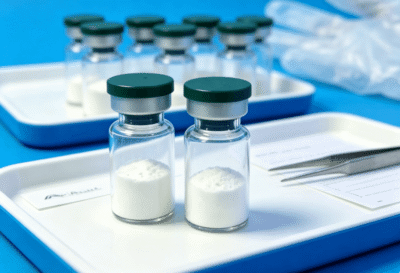
1. Tissue Repair and Wound Healing
Research indicates that HGH 191AA accelerates the collagen synthesis required for skin and connective tissue repair. Scientists often use somatropin to investigate recovery rates in musculoskeletal injuries or the systemic response to severe burns.
2. Metabolic Disorders and Lipid Oxidation
Because Somatropin influences how the body partitions nutrients, it is a primary subject in obesity and type 2 diabetes research. Study models often look at how HGH 191AA increases basal metabolic rate and shifts the body’s primary energy source from glucose to stored lipids.
3. Cellular Senescence and Anti-Aging Research
While clinical “anti-aging” therapy remains a subject of regulatory debate, the laboratory study of HGH in cellular senescence is robust. Researchers observe how Somatropin affects telomere length and cellular apoptosis (programmed cell death) in aging tissues.
Technical Comparison: 191AA vs. 192AA
| Feature | HGH 191AA (Somatropin) | HGH 192AA (Somatrem) |
| Amino Acid Count | 191 | 192 |
| Biological Identity | Bio-identical to human HGH | Synthetic analog (contains Methionine) |
| Immune Response | Minimal/None | High risk of antibody formation |
| Efficacy | High receptor affinity | Lower long-term efficacy |
| Research Standard | Current Gold Standard | Obsolete in modern labs |
Manufacturing and Purity Standards in Biotechnology
The production of HGH 191AA requires advanced recombinant DNA technology (rDNA). Typically, a strain of E. coli or yeast is genetically modified to secrete the 191-amino acid sequence.
However, the “191AA” label alone does not guarantee quality. In a professional laboratory context, the value of the peptide is determined by:
HPLC Analysis: High-Performance Liquid Chromatography ensures the purity of the peptide chain.
Lyophilization: The process of freeze-drying the peptide to maintain molecular stability during transit.
Endotoxin Levels: High-quality Somatropin must be free of bacterial endotoxins that could skew research results or cause inflammatory responses in in vivo models.
For specialized biochemical research, somatropin is often categorized alongside other high-purity peptides and research chemicals. These compounds require strict climate-controlled storage to prevent the denaturation of the delicate protein structure.
Handling, Reconstitution, and Stability
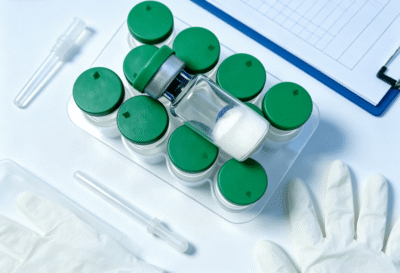
HGH 191AA is a fragile molecule. In its lyophilized (powder) form, it is relatively stable at room temperature for short periods, but for long-term preservation, it must be stored between 2°C and 8°C (36°F to 46°F).
Once reconstituted with bacteriostatic water or sterile saline, the disulfide bonds become susceptible to mechanical stress. Shaking the vial vigorously can “shear” the protein, rendering the 191AA sequence biologically inactive. Professional protocols always recommend a gentle swirling motion and immediate refrigeration post-reconstitution to ensure the integrity of the research data.
FAQ: Common Technical Questions
1. Is HGH 191AA the same as Steroids?
No. Anabolic steroids are synthetic derivatives of testosterone. HGH 191AA is a protein-based peptide hormone. While both can be used to study muscle growth, they operate via entirely different biological pathways—steroids via the androgen receptor and HGH via the growth hormone receptor and IGF-1 axis.
2. Why is HGH 191AA preferred over 192AA in modern research?
The 192AA version includes an extra methionine amino acid. This small change can cause the body to develop antibodies against the hormone. These antibodies not only neutralize the synthetic HGH but can also attack the body’s naturally produced HGH, leading to a permanent deficiency. 191AA avoids this risk by mirroring human biology exactly.
3. What is the shelf life of lyophilized Somatropin?
In a professional freezer environment (-20°C), lyophilized HGH 191AA can remain stable for up to 24 months. In standard refrigeration (2-8°C), it is typically stable for 12 months. Once reconstituted, its stability drops significantly, usually requiring use within 14 to 28 days depending on the solvent used.
4. How is purity verified for research-grade HGH?
Purity is verified through a combination of Mass Spectrometry (to confirm molecular weight) and HPLC (to confirm the absence of related proteins and impurities). Researchers should always look for a purity rating of 98% or higher.
Reference Sources:
National Center for Biotechnology Information (NCBI): Mechanism of Growth Hormone Action
The Endocrine Society: Growth Hormone Deficiency and Treatment Standards
FDA (U.S. Food and Drug Administration): Somatropin Regulatory Information
Journal of Biological Chemistry: Protein Folding and Stability of 191AA Polypeptides

-1-800x800.png)
-800x800.png)
-800x800.png)
-800x800.png)
-800x800.png)
-800x800.png)
-800x800.png)
-800x800.png)
-800x800.png)
-800x800.png)
-800x800.png)
-800x800.png)
-800x800.png)
-800x800.png)
-800x800.png)