

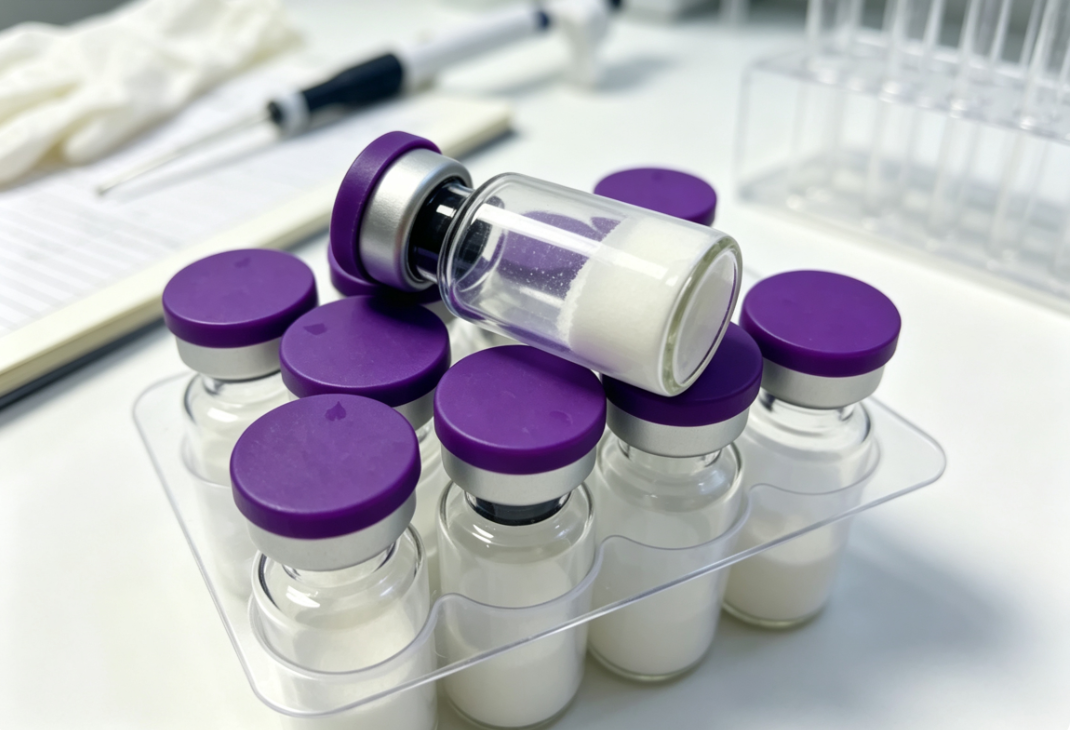
The landscape of peptide therapeutics has shifted significantly toward neuro-endocrine pathways, with PT-141 (Bremelanotide) standing as a primary example of this evolution. Unlike traditional treatments that focus on local vascular systems, PT-141 operates through the central nervous system. This synthetic peptide, a derivative of Melanotan II, has transitioned from a potential tanning agent to an FDA-approved therapeutic for specific clinical indications.
Understanding the utility of the PT-141 peptide requires a technical look at its molecular structure and its interaction with the melanocortin system. For researchers and clinicians, the interest lies in its ability to bypass systemic vascular pathways and target the underlying neurological drivers of physiological responses.
The Molecular Evolution of PT-141
PT-141 is a cyclic heptapeptide lactam analog of alpha-melanocyte-stimulating hormone (α-MSH). Its development originated from research into Melanotan II (MT-II), which was initially investigated for its photoprotective qualities and tanning effects. During clinical trials, researchers observed that MT-II induced potent secondary effects on sexual arousal.
PT-141 was specifically developed to isolate these effects while minimizing the stimulation of melanocytes (tanning). By removing the C-terminal amide of MT-II, scientists created a molecule with a more refined pharmacological profile. This shift from systemic to targeted neurological signaling marked a major milestone in peptide synthesis and clinical application.
Mechanism of Action: The Melanocortin Pathway
The primary mechanism of the PT-141 peptide is its function as a non-selective agonist of the melanocortin receptors, specifically MC3R and MC4R. These receptors are located predominantly in the hypothalamus, a region of the brain responsible for regulating metabolic rate, temperature, and autonomic nervous system activity.
1. Central Nervous System Activation
Unlike phosphodiesterase-5 (PDE5) inhibitors, which act on the vascular system by increasing nitric oxide and blood flow to peripheral tissues, PT-141 acts directly on the brain. It crosses the blood-brain barrier to bind with MC4R, which triggers a cascade of dopaminergic signaling.
2. Dopaminergic Modulation
Research indicates that activation of MC4R in the medial preoptic area (mPOA) of the hypothalamus leads to the release of dopamine. This neurotransmitter is a critical component of the “reward and motivation” circuit. By enhancing these pathways, PT-141 addresses the neurological desire aspect of physiological response rather than just the physical mechanics of blood flow.
3. Bypassing Cardiovascular Constraints
Because PT-141 does not rely on the cardiovascular system for its primary effect, it has become a significant subject of study for populations where vascular-acting drugs are contraindicated. It offers a potential alternative for subjects with certain heart conditions or those who do not respond to traditional PDE5 therapy.
Current Clinical Studies and Indications
The most documented clinical application of PT-141 is the treatment of Hypoactive Sexual Desire Disorder (HSDD). In June 2019, the FDA approved a subcutaneous version of Bremelanotide (the pharmaceutical name for PT-141) for premenopausal women.
Focus on HSDD in Premenopausal Women
Clinical trials leading to FDA approval demonstrated that PT-141 significantly increased scores for sexual desire and decreased distress associated with low desire. Researchers noted that the peptide’s efficacy was consistent across various sub-groups, highlighting its stability in a clinical setting.
Research into Male Erectile Dysfunction (ED)
While PDE5 inhibitors remain the first line of treatment for ED, studies have explored PT-141 for patients who experience side effects from these drugs or who suffer from psychogenic ED. Research suggests that PT-141 can induce a response even in cases where the physical vascular pathways are intact but the neurological drive is suppressed.
PT-141 vs. Traditional Therapies: A Comparison
| Feature | PT-141 (Bremelanotide) | PDE5 Inhibitors (e.g., Sildenafil) |
| Primary Target | Central Nervous System (MC4R) | Vascular Smooth Muscle |
| Pathway | Dopaminergic Signaling | Nitric Oxide / cGMP |
| Primary Effect | Increased Desire/Arousal | Increased Blood Flow |
| Administration | Subcutaneous Injection | Oral Tablet |
| Onset of Action | 30 Minutes to 4 Hours | 30 to 60 Minutes |
Technical Manufacturing and Purity Standards
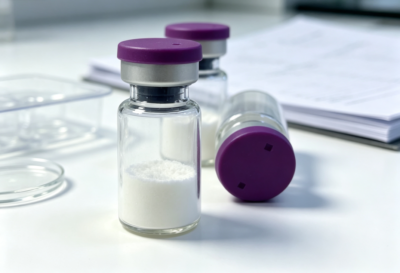
From a manufacturing and laboratory perspective, the quality of PT-141 is determined by its synthesis method and final purity. Most high-grade research peptides are produced via Solid-Phase Peptide Synthesis (SPPS). This process allows for precise control over the amino acid sequence and the cyclization of the peptide chain.
In professional research environments, such as those sourcing from ACDC Source’s peptide category, the following technical benchmarks are standard:
Purity Levels: High-performance liquid chromatography (HPLC) testing is used to ensure a purity level of 98% or higher.
Lyophilization: The peptide is freeze-dried into a stable powder to preserve its structural integrity and shelf life.
Acetate Content: Monitoring the residual salts and acetate levels is critical for ensuring the stability of the peptide when reconstituted for research.
Safety Profile and Research Considerations
Current studies highlight that while PT-141 is effective, it is not without physiological considerations. The most commonly reported side effect in clinical trials is nausea, which is believed to be linked to the activation of MC4 receptors in the gut and brainstem.
Another noted effect is a transient increase in blood pressure and a decrease in heart rate after administration. While these effects typically resolve within a few hours, they represent a key area of ongoing study, particularly for patients with pre-existing hypertension.
Future Directions in Peptide Research
The success of the PT-141 peptide has opened doors for broader melanocortin research. Scientists are now investigating whether selective MC4R agonists could play a role in managing obesity, as this pathway also regulates appetite and energy expenditure.
Furthermore, the “neuro-peptide” approach pioneered by PT-141 is influencing how researchers look at other complex conditions, such as depression and cognitive decline, where modulating central signaling pathways may offer advantages over systemic medication.
In a research context, PT-141 remains a vital tool for understanding the intersection of the endocrine system and human behavior. Its ability to trigger specific neurological responses through a relatively small amino acid chain demonstrates the precision and potential of modern peptide engineering.
FAQ
What is the primary difference between PT-141 and Melanotan II?
While both are melanocortin agonists, PT-141 is a metabolite of Melanotan II that has been modified to focus on MC3 and MC4 receptor activation. This results in the arousal-promoting effects without the significant skin-darkening (melanocyte stimulation) associated with Melanotan II.
How is the PT-141 peptide typically administered in a research setting?
In clinical and laboratory studies, PT-141 is most commonly administered via subcutaneous injection. This method ensures maximum bioavailability and a more predictable onset of action compared to oral or intranasal delivery.
Does PT-141 work immediately?
No. Unlike some vascular treatments, PT-141 works through the central nervous system. Clinical data suggests that effects usually manifest between 30 minutes and 4 hours after administration, with the peak effect often occurring around the 2-hour mark.
What are the storage requirements for research-grade PT-141?
Lyophilized (freeze-dried) PT-141 should be stored in a cool, dark place, ideally in a freezer at -20°C for long-term stability. Once reconstituted with bacteriostatic water, it must be refrigerated and used within a specific timeframe (usually 20–30 days) to prevent degradation.
Is PT-141 used for weight loss?
While MC4R agonists are being studied for their role in appetite suppression and metabolism, PT-141 is specifically indicated and studied for HSDD. Other peptides in the melanocortin family are currently the primary focus of obesity research.
Reference Sources
FDA (U.S. Food and Drug Administration): Vyleesi (bremelanotide) injection for the treatment of HSDD.
National Center for Biotechnology Information (NCBI): Melanocortin Receptor Agonists in the Treatment of Female Sexual Dysfunction.
Journal of Sexual Medicine: Clinical trials regarding the efficacy of subcutaneous Bremelanotide.
SGS/ISO Standards for Peptide Synthesis: General industry guidelines for High-Performance Liquid Chromatography (HPLC) and Mass Spectrometry (MS) analysis of synthetic peptides.

-1-800x800.png)
-800x800.png)
-800x800.png)
-800x800.png)
-800x800.png)
-800x800.png)
-800x800.png)
-800x800.png)
-800x800.png)
-800x800.png)
-800x800.png)
-800x800.png)
-800x800.png)
-800x800.png)
-800x800.png)