

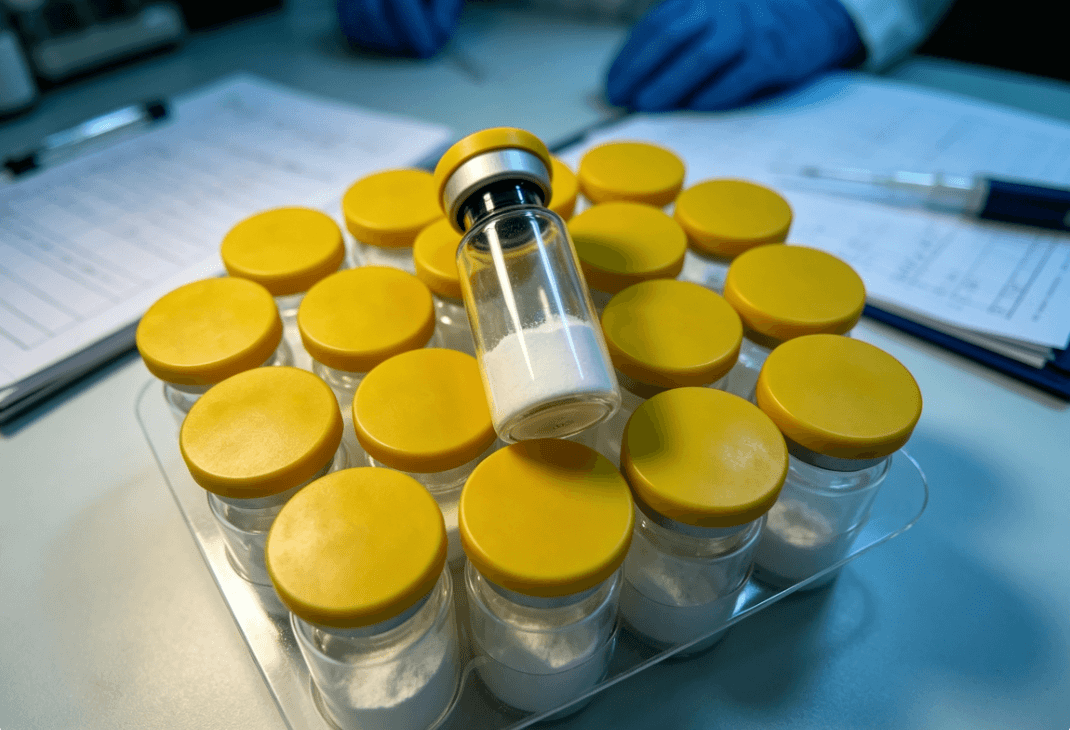
The landscape of regenerative medicine research has shifted significantly toward the study of peptide sequences. Among the most scrutinized are BPC-157 and TB-500. While each compound demonstrates distinct biological pathways, researchers increasingly utilize a BPC-157 TB500 blend to explore potential synergistic effects.
Understanding the rationale behind this combination requires a deep dive into molecular biology. These peptides do not merely replicate each other’s functions. Instead, they appear to target different stages of the physiological repair process.
The Biological Profile of BPC-157
BPC-157, or Body Protective Compound 157, is a pentadecapeptide consisting of 15 amino acids. It is derived from a protective protein found in human gastric juice. In laboratory models, BPC-157 is noted for its stability and resistance to enzymatic degradation.
The primary mechanism of BPC-157 involves the upregulation of growth factors, specifically Vascular Endothelial Growth Factor (VEGF). This process triggers angiogenesis—the formation of new blood vessels. In musculoskeletal research, BPC-157 is often studied for its ability to promote the “melting” of fibrous tissue and the acceleration of tendon-to-bone healing.
The Molecular Function of TB-500
TB-500 is a synthetic version of the naturally occurring peptide Thymosin Beta-4 (Tβ4). Unlike BPC-157, which has a more localized “organoprotective” reputation, TB-500 is characterized by its high mobility within systemic environments.
The core mechanism of TB-500 is its ability to bind to G-actin. By sequestering actin, the peptide facilitates cell migration and proliferation. This is critical for the movement of progenitor cells to the site of an injury. In research settings, TB-500 is primarily investigated for its role in muscle fiber repair and reducing acute inflammation through its molecular signaling pathways.
Why Researchers Use the BPC-157 TB500 Blend
The decision to combine these compounds stems from the “Dual-Pathway” hypothesis. When investigating complex tissue regeneration, relying on a single pathway often yields incomplete data. The BPC-157 TB500 blend allows for a multi-faceted approach to laboratory observation.
1. Complementary Angiogenesis
While both peptides support blood vessel growth, they do so differently. BPC-157 focuses on the structural integrity of the vessels and the expression of VEGFR2. TB-500 promotes the migration of endothelial cells required to build those vessels.
2. Specialized Tissue Targeting
Research suggests that BPC-157 may be more effective for dense connective tissues like tendons and ligaments. Conversely, TB-500 shows higher affinity for muscle tissue and systemic inflammatory response modulation. A blend ensures the experimental model covers a broader spectrum of tissue types.
3. Enhanced Cell Motility
For a wound or rupture to heal in an in vitro or in vivo model, cells must travel to the injury site. TB-500 provides the “transportation” (cell motility), while BPC-157 provides the “building blocks” (collagen synthesis and growth factor upregulation).
Technical Comparison: BPC-157 vs. TB-500
| Feature | BPC-157 (Gastric Pentadecapeptide) | TB-500 (Thymosin Beta-4 Fragment) |
| Primary Mechanism | Upregulation of VEGF & Growth Factors | Actin Sequestration & Cell Migration |
| Primary Research Focus | Tendons, Ligaments, Gut Health | Muscle Fiber Repair, Inflammation |
| Molecular Structure | 15 Amino Acids | 43 Amino Acids (or 1-4 fragment) |
| Solubility | Highly Water Soluble | Highly Water Soluble |
| Systemic vs. Local | Potent Local & Systemic Effects | High Systemic Distribution |
Laboratory Considerations for Peptide Blends
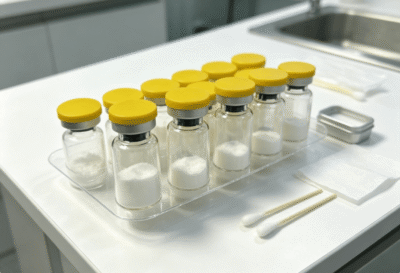
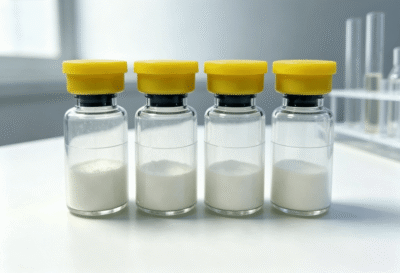
When sourcing a BPC-157 TB500 blend for laboratory use, researchers must prioritize chemical stability and purity levels. Most research-grade peptides are provided in a lyophilized (freeze-dried) powder format. This state ensures the long-term stability of the peptide bonds.
Precision in the blending process is vital. Researchers typically look for products that have undergone High-Performance Liquid Chromatography (HPLC) and Mass Spectrometry (MS) testing. These tests verify that the ratio of BPC-157 to TB-500 is exact and that the trifluoroacetic acid (TFA) content is within acceptable limits for cellular assays.
For research facilities looking to evaluate high-purity sequences, platforms like ACDC Source’s Peptide Collection provide standardized options for various experimental requirements. Utilizing pre-blended vials can reduce pipetting errors and minimize the risk of contamination during the reconstitution phase.
Current Trends in Peptide Research
Recent studies have expanded the scope of the BPC-157 TB500 blend beyond basic wound healing. Emerging areas of interest include:
Neuroprotection: Investigating how these peptides modulate oxidative stress in neural tissues.
Cardiovascular Repair: Observing the impact of synergistic angiogenesis on myocardial infarction models.
Extracellular Matrix (ECM) Remodeling: Studying how the blend influences collagen deposition and cross-linking.
The complexity of biological repair suggests that single-molecule interventions may soon be superseded by these synergistic combinations. For the researcher, the blend represents a more holistic tool for mimicking the body’s natural, multi-stage healing response.
FAQ
Q: What is the standard ratio in a BPC-157 TB500 blend?
A: Common research ratios are often 1:1, such as 5mg of BPC-157 to 5mg of TB-500 per vial. However, the ratio depends entirely on the specific goals of the research protocol.
Q: How should the lyophilized blend be stored?
A: For short-term use, the powder can be kept at room temperature away from direct light. For long-term preservation (up to 2 years), it should be stored in a freezer at -20°C. Once reconstituted, the solution must be refrigerated.
Q: Are these peptides approved for human consumption?
A: No. BPC-157 and TB-500 are currently classified as research chemicals. They are intended for laboratory experimentation and in vitro studies only. They are not approved by the FDA for human use or clinical applications.
Q: Why use a blend instead of sequential administration?
A: A blend ensures that both mechanisms of action—angiogenesis and cell migration—are activated simultaneously. This better replicates the natural physiological environment where multiple growth factors work in tandem.
Reference Sources
Sikiric, P., et al. (2011). “Stable gastric pentadecapeptide BPC 157: novel cytoprotective strategy.” Current Pharmaceutical Design.
Philp, D., & Kleinman, H. K. (2004). “Thymosin β4: a multifunctional regenerative peptide.” Biochemistry and Cell Biology.
Chang, C. H., et al. (2011). “The promoting effect of pentadecapeptide BPC 157 on tendon healing involves tendon outgrowth and cell survival.” Journal of Applied Physiology.
Sosne, G., et al. (2010). “Thymosin beta 4: A novel corneal wound healing agent with anti-inflammatory properties.” Experimental Eye Research.

-1-800x800.png)
-800x800.png)
-800x800.png)
-800x800.png)
-800x800.png)
-800x800.png)
-800x800.png)
-800x800.png)
-800x800.png)
-800x800.png)
-800x800.png)
-800x800.png)
-800x800.png)
-800x800.png)
-800x800.png)