

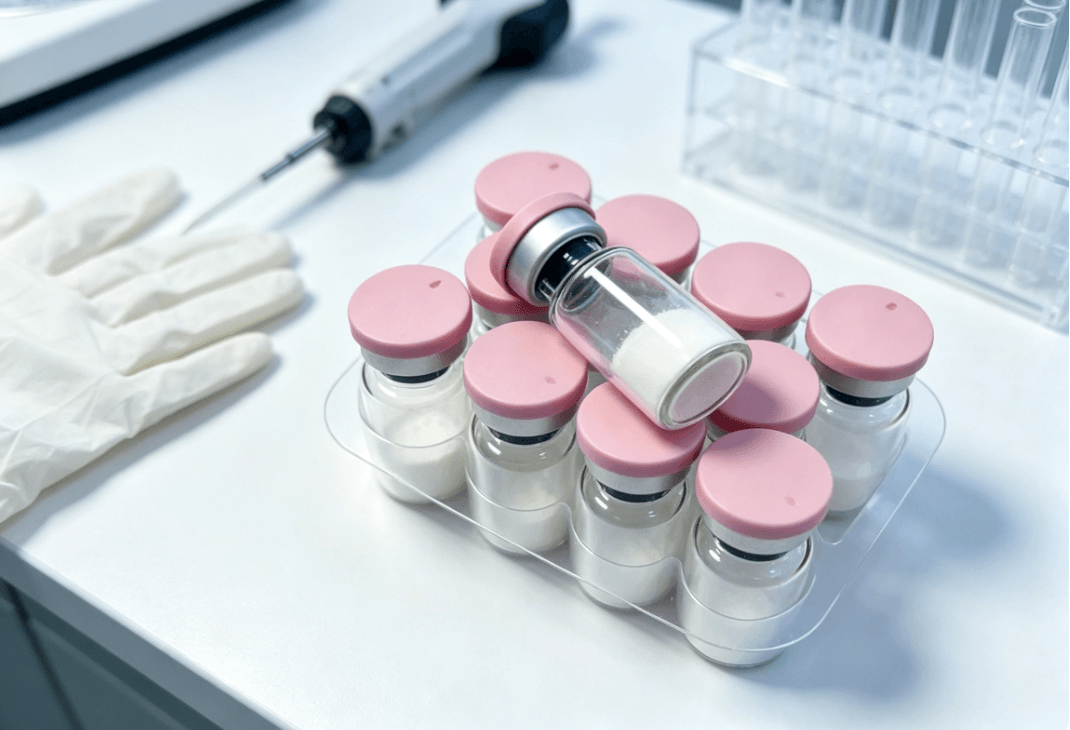
The discovery of GHK-Cu (Glycyl-L-histidyl-L-lysine copper) in 1973 by Dr. Loren Pickart marked a significant shift in regenerative medicine and biochemistry. Originally isolated from human plasma, this tripeptide has a unique affinity for copper (II) ions, forming a complex that plays a critical role in human health. Unlike many synthetic compounds, GHK-Cu is a naturally occurring molecule that declines significantly with age, leading researchers to investigate its potential as a biological signaling agent for systemic repair.
Understanding GHK-Cu: The Biochemistry of Copper Chelation
GHK-Cu is a small peptide molecule consisting of the amino acids glycine, histidine, and lysine. Its primary function is the chelation of copper, a trace element essential for various enzymatic reactions within the human body. In a laboratory or clinical research setting, the stability of the GHK-Cu complex is its most defining characteristic.
The peptide works by modulating the concentrations of copper in the cellular environment, ensuring that the metal is available for vital processes without reaching toxic levels. This biochemical balance is crucial for the function of enzymes like superoxide dismutase (SOD), which neutralizes oxidative stress, and lysyl oxidase, which facilitates the cross-linking of collagen and elastin. For researchers focusing on extracellular matrix (ECM) integrity, understanding this chelation process is fundamental.
Molecular Mechanisms: How GHK-Cu Modulates Gene Expression
What sets GHK-Cu apart from other signaling peptides is its profound impact on gene expression. Scientific research indicates that GHK-Cu can reset the human genome to a more youthful state. In bioinformatic studies, the peptide has been shown to influence over 30% of human genes, either upregulating or downregulating them to promote homeostasis.
One of the most notable mechanisms is the suppression of NF-κB, a protein complex that controls cytokine production and cell survival. By inhibiting pro-inflammatory pathways, GHK-Cu acts as a potent anti-inflammatory agent. Simultaneously, it stimulates the expression of DNA repair genes. This dual action—reducing damage while accelerating repair—is why GHK-Cu remains a primary focus in studies involving cellular aging and environmental stress.
Critical Research Areas and Therapeutic Potential
| Biological Process | GHK-Cu Mechanism of Action | Observed Research Outcomes |
| Dermal Repair | Stimulates Glycosaminoglycans (GAGs) | Increased skin density and elasticity |
| Wound Healing | Upregulates TGF-β and VEGF | Accelerated re-epithelialization |
| Anti-Inflammation | Lowers TNF-alpha and IL-6 | Reduced oxidative damage in tissues |
| Neuroprotection | Modulates gene expression in neurons | Potential for treating neurodegeneration |
| Hair Growth | Increases follicle size | Enhanced keratinocyte proliferation |
Tissue Regeneration and Collagen Synthesis
In the context of dermatology and wound care, GHK-Cu is often cited for its ability to stimulate collagen I, III, and IV. Research-grade GHK-Cu has been used in experimental models to observe the contraction of wounds and the recruitment of regenerative cells like macrophages and mast cells. Unlike synthetic growth factors, GHK-Cu organizes the healing process, preventing the formation of excessive scar tissue by balancing the production of metalloproteinases and their inhibitors.
Hair Follicle Stimulation
Beyond skin, GHK-Cu has shown remarkable results in hair research. It functions similarly to Minoxidil but through a different pathway: by enlarging hair follicles and extending the anagen (growth) phase of the hair cycle. This is achieved by inhibiting the production of dihydrotestosterone (DHT) and improving the microcirculation within the scalp, ensuring follicles receive adequate nutrient delivery.
GHK-Cu in Modern Laboratory Research
For professionals in the biotechnology and pharmaceutical sectors, the quality and purity of GHK-Cu are paramount. In a research environment, the peptide must be free from contaminants that could skew experimental data. The efficacy of GHK-Cu is highly dependent on its molecular weight and the precision of its copper-binding site.
When evaluating peptides for research purposes, factors such as pH stability and solubility must be considered. GHK-Cu is water-soluble and highly stable under controlled conditions, making it an ideal candidate for various delivery systems, including topical solutions, injectable mediums, and bioactive scaffolds. High-purity sources, such as those categorized under research peptides, are essential for ensuring that gene expression studies and tissue engineering projects yield reproducible results.
The Impact of GHK-Cu on DNA Repair and Antioxidant Defense
A significant portion of modern scientific research into GHK-Cu focuses on its role in oncology and DNA protection. The peptide has been observed to increase the expression of “DNA repair genes” while suppressing “cell death genes.” In laboratory models exposed to radiation, GHK-Cu-treated cells showed significantly higher survival rates and lower levels of DNA fragmentation.
Furthermore, the peptide boosts the body’s internal antioxidant systems. By increasing the levels of glutathione and SOD, it provides a buffer against the reactive oxygen species (ROS) that drive cellular aging. This makes GHK-Cu a critical tool for researchers exploring preventive medicine and long-term biological resilience.
Strategic Considerations for Research Applications
When integrating GHK-Cu into a research protocol, engineers and project managers must account for the peptide’s concentration-dependent effects. While GHK-Cu is non-toxic even at high concentrations, its most potent gene-modulating effects often occur at very low, physiological levels (nanomolar range).
The versatility of GHK-Cu allows it to be used in conjunction with other peptides or growth factors to create synergistic effects. For instance, combining GHK-Cu with Palmitoyl Pentapeptide-4 in skincare research often yields superior results in dermal thickening compared to using either peptide in isolation. This adaptability is why GHK-Cu remains a staple in the formulation of high-end cosmeceuticals and regenerative therapies.
FAQ
Q1: What is the main difference between GHK and GHK-Cu?
GHK is the base tripeptide (Glycyl-L-histidyl-L-lysine), whereas GHK-Cu is the peptide complexed with a copper ion. While the base peptide has some biological activity, the presence of copper is essential for the most significant regenerative and antioxidant benefits, as copper is the cofactor for many of the enzymes involved in tissue repair.
Q2: Is GHK-Cu stable in aqueous solutions for research?
Yes, GHK-Cu is highly water-soluble and exhibits good stability in a pH-neutral aqueous environment. However, for long-term storage in a laboratory setting, it is often recommended to store the peptide in a lyophilized (freeze-dried) state and keep it at -20°C to prevent degradation over time.
Q3: How does GHK-Cu influence collagen production differently than other peptides?
Many peptides simply act as “messengers” to stimulate a single type of collagen. GHK-Cu is a “remodeling” peptide. It not only stimulates the production of collagen and elastin but also helps breakdown abnormally large collagen clumps (scar tissue) and ensures the new collagen is organized correctly within the extracellular matrix.
Q4: Has GHK-Cu been studied for systemic effects?
While much of the research is focused on topical or localized applications (skin and hair), there is an increasing body of evidence regarding its systemic benefits. These include potential improvements in lung function, stomach lining repair, and even neuroprotective effects, likely mediated through its broad-spectrum gene modulation.
Reference Sources
Pickart, L., & Margolina, A. (2018). Regenerative and Protective Actions of the GHK-Cu Peptide in the Light of the New Gene Data. International Journal of Molecular Sciences.
Pickart, L., Vasquez-Soltero, J. M., & Margolina, A. (2015). GHK Peptide as a Natural Modulator of Multiple Cellular Pathways in Skin Regeneration. BioMed Research International.
SGS Technical Reports. Stability and Purity Analysis of Synthetic Tripeptides.
ASTM International Standards. Standard Guide for Characterization of Peptides in Regenerative Medicine.

-1-800x800.png)
-800x800.png)
-800x800.png)
-800x800.png)
-800x800.png)
-800x800.png)
-800x800.png)
-800x800.png)
-800x800.png)
-800x800.png)
-800x800.png)
-800x800.png)
-800x800.png)
-800x800.png)
-800x800.png)