

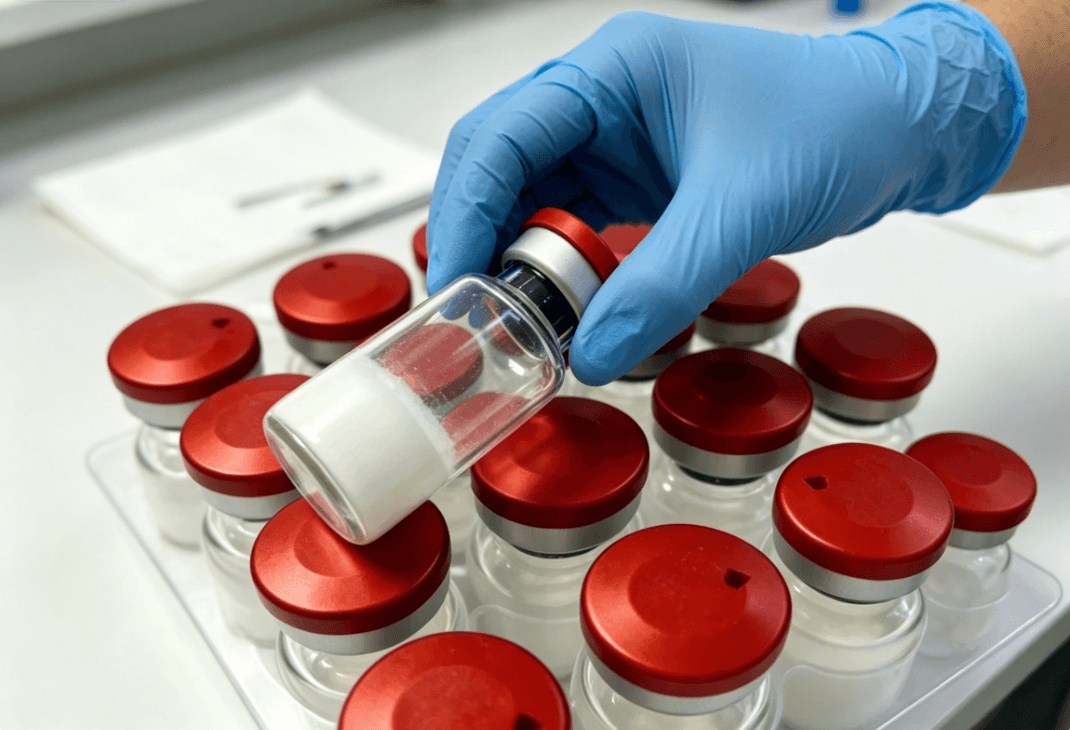
BPC-157, or Body Protective Compound-157, represents a significant focus in modern regenerative pharmacology and peptide research. Derived from a protective protein found in human gastric juice, this synthetic pentadecapeptide—comprising 15 amino acids—has demonstrated a remarkable capacity for accelerating the healing of various tissues in preclinical models. Unlike many growth factors that have a narrow range of action, BPC-157 appears to exert a systemic influence on the body’s natural repair mechanisms, particularly within the musculoskeletal and gastrointestinal systems.
In the rigorous environment of biochemical research, BPC-157 is classified as a “stable gastric pentadecapeptide.” Its stability is one of its most notable characteristics; while many peptides degrade rapidly when exposed to digestive enzymes or varying pH levels, BPC-157 remains bioactive in challenging environments. This resilience has made it a primary candidate for studying systemic healing and localized tissue regeneration.
Molecular Structure and Biological Origin
BPC-157 is a partial sequence of the larger Body Protective Compound (BPC) protein, which was originally discovered in the 1990s. The sequence is Gly-Glu-Pro-Pro-Pro-Gly-Lys-Pro-Ala-Asp-Asp-Ala-Gly-Leu-Val. This specific arrangement of 15 amino acids is responsible for its high degree of biological activity and its resistance to gastric degradation.
From a manufacturing and laboratory perspective, the synthesis of BPC-157 requires high-precision solid-phase peptide synthesis (SPPS). Ensuring the purity of this sequence is vital for researchers, as even minor contaminants or truncated sequences can alter the peptide’s interaction with cellular receptors and signaling pathways. For laboratories investigating regenerative medicine, sourcing high-purity BPC-157 research peptides is a prerequisite for generating reproducible and valid data.
Primary Mechanisms of Action
Understanding how BPC-157 functions requires an analysis of its interaction with growth factors and the vascular system. Research indicates that its regenerative properties are not the result of a single pathway but rather a multifaceted biological response.
1. Angiogenesis and VEGF Expression
One of the most documented effects of BPC-157 is its ability to promote angiogenesis—the formation of new blood vessels. It achieves this by upregulating the expression of Vascular Endothelial Growth Factor (VEGF). By increasing capillary density in damaged tissues, BPC-157 ensures that oxygen and essential nutrients are delivered more efficiently to the site of injury, which is a critical bottleneck in the healing of “hypovascular” tissues like tendons and ligaments.
2. The Nitric Oxide (NO) Pathway
BPC-157 interacts significantly with the nitric oxide signaling system. It has been observed to modulate NO levels, providing a protective effect on the endothelium (the lining of blood vessels). This modulation helps regulate blood pressure and protects against induced damage in the cardiovascular and gastrointestinal systems.
3. Collagen Synthesis and Fibroblast Migration
In musculoskeletal research, BPC-157 has shown a unique ability to influence fibroblasts—the cells responsible for creating the extracellular matrix. It promotes the migration and proliferation of these cells, leading to faster collagen deposition. This mechanism is particularly relevant in the study of tendon-to-bone healing, where the structural integrity of the repair is paramount.
| Mechanism | Primary Biological Effect | Research Context |
| Angiogenesis | New blood vessel formation | Ischemic tissue and wound healing |
| VEGF Modulation | Upregulation of growth factors | Accelerated soft tissue repair |
| NO Signaling | Endothelial protection | Gastric and vascular health |
| Fibroblast Activation | Enhanced collagen synthesis | Tendon and ligament ruptures |
Key Areas of Preclinical Research
The breadth of BPC-157 research spans several medical disciplines. While the most popular discourse surrounds sports medicine, the peptide’s origins in the gastric system remain a core area of academic interest.
Gastrointestinal Healing
Given that BPC-157 is derived from gastric juice, its most potent effects are often seen in the digestive tract. Research models have utilized BPC-157 to study the treatment of Inflammatory Bowel Disease (IBD), gastric ulcers, and esophageal damage. Unlike standard treatments that merely reduce acidity, BPC-157 appears to actively repair the mucosal lining and improve the integrity of the gut barrier.
Musculoskeletal and Tendon Repair
Tendons typically heal slowly due to poor blood supply. Preclinical studies involving Achilles tendon ruptures have shown that BPC-157 can significantly reduce healing time. It promotes the “outgrowth” of tendon fibroblasts, effectively bridging the gap in torn tissue more rapidly than control groups. This has made it a “gold standard” reference in peptide-based orthopedic research.
Neuroprotective Potential
Recent literature has expanded into the central nervous system. Researchers are investigating BPC-157’s role in mitigating the effects of traumatic brain injury (TBI) and stroke. Its ability to modulate the GABAergic and dopaminergic systems suggests it may offer neuroprotective benefits, though this area requires further longitudinal study.
Safety, Stability, and Research Standards
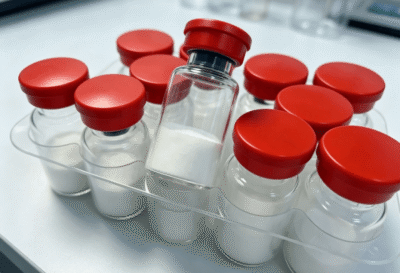
In a laboratory setting, the stability of BPC-157 is its greatest asset. It is stable at room temperature in lyophilized (freeze-dried) form and remains active even when exposed to high temperatures for short durations. However, for long-term storage, researchers typically maintain the peptide at -20°C to prevent any risk of deamidation or degradation.
From an EEAT (Experience, Expertise, Authoritativeness, and Trustworthiness) perspective, it is critical to note that while the safety profile in animal models (rats, mice, and dogs) has shown no significant toxicity or LD50 (lethal dose), BPC-157 is currently classified as a “Research Chemical.” It is not yet FDA-approved for human clinical use. Professional researchers must ensure their protocols adhere to ethical guidelines and that all substances are sourced from reputable chemical suppliers who provide third-party analysis (HPLC and Mass Spectrometry) to confirm purity levels above 98%.
Conclusion: The Future of BPC-157 in Biotechnology
BPC-157 stands as one of the most promising compounds in the landscape of peptide science. Its ability to integrate with the body’s natural healing signals—rather than overriding them—marks a shift toward more sophisticated regenerative therapies. As research progresses from preclinical models toward standardized clinical frameworks, the focus will likely shift toward optimizing delivery methods and exploring its synergistic effects with other peptides like TB-500.
For institutions and independent researchers, the priority remains the same: conducting rigorous, controlled studies using high-grade biochemicals to fully map the therapeutic potential of this gastric pentadecapeptide.
FAQ
What is the half-life of BPC-157?
In vivo research suggests that BPC-157 has a relatively short half-life, typical of small peptides, though its biological effects (such as the initiation of the NO signaling cascade) can last significantly longer than the peptide remains in the bloodstream.
How does BPC-157 differ from growth hormones?
While growth hormones (like HGH) act systemically to increase IGF-1 levels and promote general cellular growth, BPC-157 acts more specifically on the healing pathways related to angiogenesis and collagen organization without significantly altering systemic hormone levels.
Is BPC-157 stable in aqueous solutions?
Once reconstituted with bacteriostatic water or sterile saline, BPC-157 is best kept refrigerated (2°C to 8°C). While it is more stable than many other peptides, it will gradually lose potency over several weeks if left at room temperature in liquid form.
Why is BPC-157 called a “stable” gastric peptide?
It is referred to as “stable” because it does not require a carrier protein to survive the harsh environment of the stomach. This inherent molecular stability is what differentiates it from the 14-amino acid and 13-amino acid variations that were also tested during its initial discovery.
Reference Sources
PubMed (National Center for Biotechnology Information): “Gastric pentadecapeptide BPC 157 and its comparative effects on healing.”
Journal of Applied Physiology: “BPC 157’s effect on the healing of a transsected rat Achilles tendon.”
Current Pharmaceutical Design: “Stable gastric pentadecapeptide BPC 157: a novel cytoprotective strategy for the GI tract and beyond.”
Trends in Pharmacological Sciences: Analysis of peptide-based angiogenesis and VEGF modulation.
International Journal of Molecular Sciences: Molecular pathways of BPC-157 in fibroblast migration.

-1-800x800.png)
-800x800.png)
-800x800.png)
-800x800.png)
-800x800.png)
-800x800.png)
-800x800.png)
-800x800.png)
-800x800.png)
-800x800.png)
-800x800.png)
-800x800.png)
-800x800.png)
-800x800.png)
-800x800.png)